
The Importance of Preserving Historic Buildings: Preserving Cultural Landmarks
Historic buildings are more than just old structures. They are the storytellers of our past, the keepers of culture, and the anchors of community identity. When you walk past a beautifully preserved historic building, you’re stepping into a living museum. You’re connecting with the people who came before us and the stories they left behind. That’s why preserving cultural landmarks is so important, especially in places rich with history and arts like Boundary County.
Why Preserving Cultural Landmarks Matters
You might wonder, why bother saving old buildings when we can build new ones? Well, historic buildings offer something new ones simply can’t: character and authenticity. They show us how people lived, worked, and created in different eras. Preserving these landmarks helps maintain the unique charm and identity of a community.
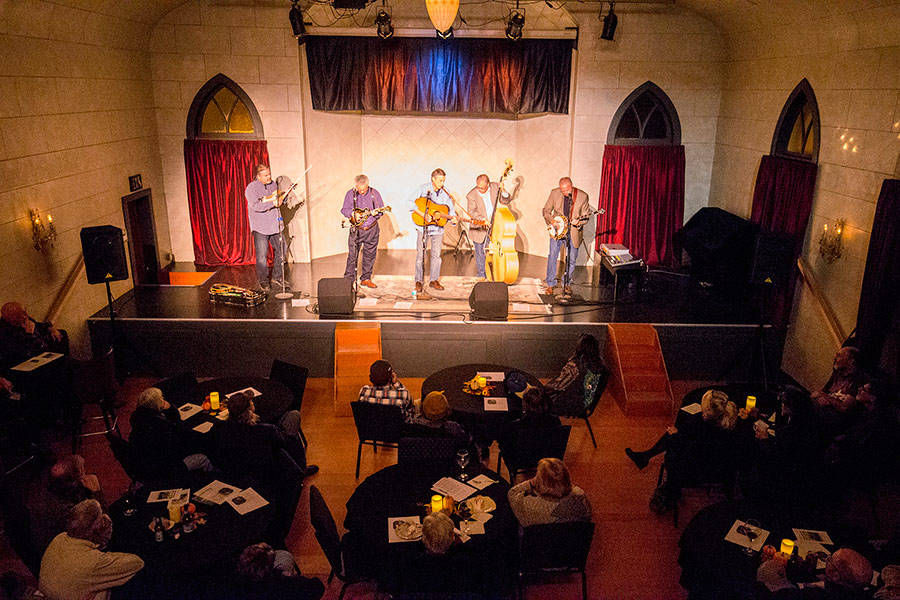
For example, think about the Historic Pearl Theater. It’s not just a building; it’s a cultural hub that brings people together through performing and visual arts. By preserving such landmarks, we keep the spirit of creativity alive and inspire future generations.
Preserving cultural landmarks also supports local economies. Tourists love visiting places with rich histories and beautiful architecture. This means more business for local shops, restaurants, and artists. Plus, restoration projects create jobs and promote sustainable development by reusing existing structures instead of tearing them down.

The Role of Historic Building Preservation in Community Identity
When you preserve a historic building, you’re preserving a piece of your community’s soul. These buildings are physical reminders of shared experiences and collective memories. They tell stories about the people who built the community and the events that shaped it.
Take, for instance, old schools, churches, or town halls. These places often hold deep emotional value for residents. They’re where families gathered, celebrated, and supported each other. Losing these landmarks can feel like losing a part of your own history.
That’s why historic building preservation is so crucial. It’s not just about bricks and mortar; it’s about keeping the heart of a community beating strong. When you invest in preservation, you’re investing in a shared future that respects the past.
How Preservation Supports the Arts and Culture Scene
Historic buildings often serve as perfect venues for arts and culture. Their unique architecture and ambiance create inspiring spaces for performances, galleries, and creative workshops. The Historic Pearl Theater is a prime example of this. It’s a place where the community can come together to enjoy quality arts experiences in a setting that itself tells a story.
By preserving these spaces, we provide artists and audiences with a rich environment that enhances creativity. Imagine watching a play or concert in a beautifully restored theater with intricate woodwork and vintage charm. It’s an experience that modern venues often can’t replicate.
Moreover, historic buildings can be adapted for new uses without losing their character. This flexibility allows communities to keep their cultural landmarks alive and relevant, supporting a vibrant arts scene for years to come.
Practical Steps to Preserve Historic Buildings in Your Community
If you’re passionate about preserving cultural landmarks, there are several ways you can get involved:
Educate Yourself and Others
Learn about the history of local buildings and share that knowledge. Host or attend talks, tours, and workshops focused on historic preservation.
Support Local Preservation Groups
Join or donate to organizations dedicated to saving historic sites. These groups often lead restoration projects and advocate for protective policies.
Advocate for Preservation-Friendly Policies
Encourage local government to adopt zoning laws and incentives that protect historic buildings. Tax credits and grants can make restoration more affordable.
Volunteer Your Time
Many preservation projects rely on volunteers for everything from fundraising to hands-on restoration work.
Promote Adaptive Reuse
Support projects that creatively repurpose historic buildings for modern uses, keeping them functional and relevant.
By taking these steps, you help ensure that historic buildings remain a vibrant part of the community fabric.
Keeping the Spirit Alive for Future Generations
Preserving historic buildings isn’t just about looking back. It’s about building a bridge to the future. When we protect these landmarks, we give future generations a chance to experience the richness of their heritage firsthand.
Imagine your grandchildren walking through the same halls, sitting in the same theaters, and feeling the same connection to their community’s past. That’s the power of preservation.
So next time you pass by an old building, take a moment to appreciate its story. Support efforts to keep it standing strong. After all, preserving cultural landmarks is preserving the soul of a community.
Let’s keep the arts and culture thriving in Boundary County by cherishing the historic buildings that make it unique. Together, we can make sure these treasures continue to inspire and bring joy for many years to come.


